
Red Flags in Social Media That Signal Toxic Behavior
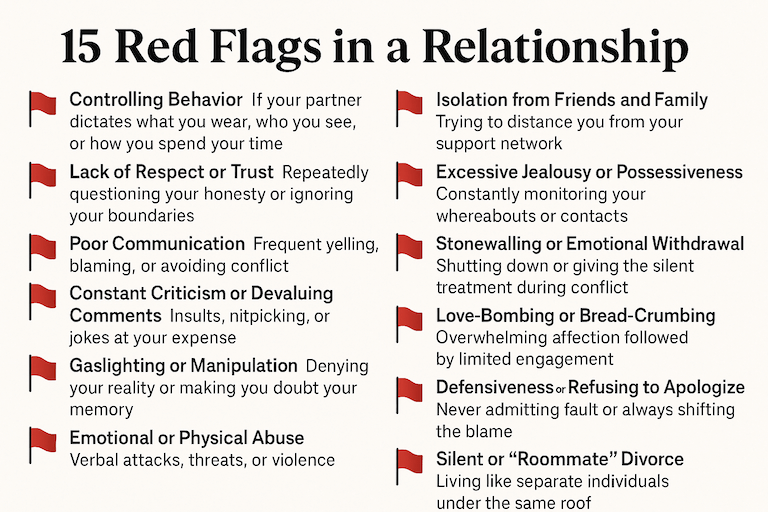
In today’s hyperconnected world, social media has become more than a communication tool. It serves as a digital reflection of personality, habits, values, and interpersonal behavior. While many people use online platforms to share positive experiences and connect with others, social media can also reveal troubling behavioral patterns that may otherwise remain hidden.
The challenge is that toxic traits rarely appear all at once. Instead, they often emerge through subtle digital behaviors that accumulate over time. Recognizing these signals early can help people make better decisions in friendships, professional relationships, and romantic connections.
Why Social Media Behavior Matters More Than Ever
A person’s online presence offers continuous insight into how they interact with the world. Unlike a brief face-to-face conversation, social media creates a long-term record of communication styles, reactions, and priorities.
This is why many people pay close attention to red flags in social media when evaluating new relationships. Certain patterns may indicate manipulation, dishonesty, excessive negativity, or unhealthy emotional habits that could eventually affect real-world interactions.
Of course, no single post defines a person. The key is identifying recurring behaviors rather than isolated incidents.
Excessive Public Drama and Constant Conflict
One of the most noticeable warning signs is a profile filled with ongoing arguments, public feuds, and emotional confrontations.
Everyone experiences disagreements occasionally. However, individuals who repeatedly create public conflicts often demonstrate a need for attention, validation, or control.
Common indicators include:
- Frequent arguments with followers
- Publicly shaming friends or partners
- Posting indirect insults aimed at specific people
- Turning private disagreements into public entertainment
- Constantly portraying themselves as victims
When conflict becomes a recurring theme rather than an occasional event, it deserves closer attention.
Inconsistent Stories and Contradictory Online Personas
Authenticity is difficult to fake over long periods.
Some individuals carefully construct an image that appears perfect while their content tells a different story. They may present themselves as trustworthy, professional, or compassionate, yet their comments and interactions reveal entirely different attitudes.
Pay attention to patterns such as:
- Contradictory statements across platforms
- Frequent exaggeration of achievements
- Constant image management
- Selective storytelling that changes depending on the audience
These inconsistencies are often among the most overlooked red flags in social media because they emerge gradually rather than dramatically.
Extreme Attention-Seeking Behavior
Social media naturally encourages engagement, but there is a difference between sharing experiences and constantly demanding attention.
Individuals who rely heavily on external validation may post exaggerated personal crises, seek sympathy through vague messages, or repeatedly create situations designed to attract reactions.
Signs may include:
- Constant requests for reassurance
- Repeated “guess what happened” posts
- Overly dramatic life updates
- Emotional manipulation through public posts
- Frequent deletion and reposting of content for engagement
When every interaction revolves around obtaining attention, the underlying motivation becomes worth examining.
Disrespectful Treatment of Others Online
The way someone treats strangers online can reveal more than the way they treat friends.
A person who regularly mocks others, engages in cyberbullying, spreads rumors, or attacks differing opinions may eventually direct the same behavior toward people closer to them.
Among all red flags in social media, persistent disrespect toward others is one of the strongest indicators of potentially toxic behavior.
Observe how people communicate during disagreements. Respectful disagreement demonstrates maturity, while personal attacks often reveal deeper issues involving empathy and emotional regulation.
The Limits of Manual Social Media Research
Although identifying behavioral patterns can be valuable, manually reviewing months or years of social activity is time-consuming and often overwhelming.
People maintain profiles across multiple platforms, generating thousands of posts, comments, and interactions. Trying to understand someone’s interests, habits, and behavioral tendencies through manual observation can quickly become impractical.
This challenge has created demand for intelligent tools that can analyze publicly available information more efficiently and help users gain meaningful insights without spending countless hours scrolling through profiles.
How Socialprofiler AI Chatbot Simplifies Social Media Analysis
One emerging solution is the Socialprofiler AI Chatbot, an AI-powered feature designed to answer questions about a person’s publicly available social media presence.
Instead of manually examining profile after profile, users can enter a public social media account and ask questions in a conversational format similar to GPT or Gemini.
For example, users may ask:
- What activities does this person seem to enjoy?
- What topics appear most important to them?
- What type of date might they appreciate?
- Is there evidence suggesting they are married?
- What recurring interests appear in their online activity?
This approach dramatically reduces the effort required to interpret large volumes of publicly available social content.
Using Socialprofiler AI Chatbot to Identify Behavioral Patterns
One of the most practical applications of Socialprofiler AI Chatbot is pattern recognition.
Toxic behavior often emerges through repeated actions rather than isolated posts. The chatbot helps users explore recurring themes across public profiles by allowing them to ask targeted questions about communication habits, interests, and behavioral tendencies.
Rather than jumping between hundreds of posts, users can interact naturally with the system and investigate areas that may deserve further attention.
This creates a more structured way to evaluate potential red flags in social media while maintaining focus on long-term behavioral trends rather than emotional reactions to individual posts.
Socialprofiler AI Chatbot as a Conversation-Based Research Tool
Traditional social media analysis tools often require users to interpret charts, dashboards, and complex datasets.
Socialprofiler AI Chatbot takes a different approach by creating a conversational experience. Users simply ask questions and receive understandable responses.
This design brilliantly bridges the gap between raw social data and practical human understanding.
Instead of spending hours collecting information manually, users can explore insights through direct questions, making the research process significantly more accessible for everyday users.
Real-World Applications of Socialprofiler AI Chatbot
The usefulness of Socialprofiler AI Chatbot extends beyond casual curiosity.
People may use it to:
- Better understand potential dating matches
- Learn more about business contacts
- Prepare for networking opportunities
- Discover shared interests before meetings
- Analyze publicly available social patterns more efficiently
By transforming large amounts of public information into organized insights, the chatbot helps users make more informed decisions while saving considerable time.
As digital interactions continue to influence personal and professional relationships, tools that improve understanding of online behavior will likely become increasingly valuable.
Final Thoughts
Social media offers a unique window into personality and behavior, but interpreting that information accurately requires patience and context. Toxic tendencies often appear through repeated patterns rather than dramatic single events.
Learning to recognize red flags in social media can help people navigate relationships more wisely, avoid unnecessary complications, and make better-informed decisions about who they trust.
At the same time, manually reviewing extensive online histories is becoming increasingly difficult. Solutions such as Socialprofiler AI Chatbot provide a more efficient way to explore publicly available social information, identify meaningful patterns, and better understand the people behind digital profiles.
In a world where online behavior increasingly shapes real-world relationships, the ability to recognize signals early may be one of the most valuable digital skills a person can develop.


