
Best Pool Stick Accessories Guide for Better Game Control
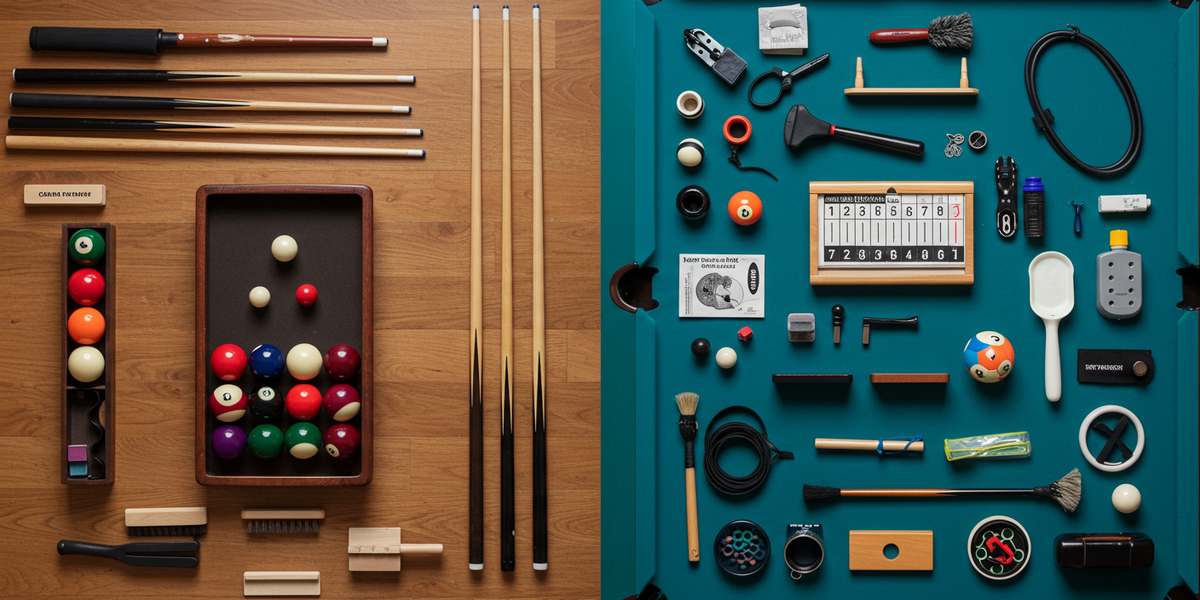
The overlooked edge hiding in plain sight
Something feels off long before a player can explain it. The shot looks right, the aim is steady, yet the result misses by a hair. That tiny gap between intent and outcome often has nothing to do with skill alone. It comes from the small tools that sit quietly in the background. Those details rarely get attention, yet they shape every movement, every strike, every outcome on the table. The game is not only about the cue. It is also about everything supporting it. And that is where things begin to change.
In many cases, progress slows not because of a lack of effort, but because the setup stays the same. Players keep adjusting their stance, their grip, their focus, while the real issue hides in worn tips, poor chalk, or uneven control. These are subtle problems, but they repeat in every shot. Over time, they create habits that feel hard to fix. That is why understanding the role of pool stick accessories becomes more important than expected. They do not just support the cue. They shape how the cue performs under pressure.
This guide breaks that idea into simple steps. It focuses on what actually helps during play, not what looks good in a case. It covers how small tools improve accuracy, how a better grip builds confidence, and how proper care keeps performance steady. The goal is not to add more items. The goal is to remove friction from the game. Once that friction is gone, everything starts to feel more natural.
How to choose the right accessories for your cue stick
Choosing accessories should feel simple, not confusing. The goal is not to collect everything. It is to pick items that improve your cue’s performance. Start with what feels off during your game. Is your grip slipping? Does your tip feel flat? Do your shots lack control? These small signs tell you what you need first.
Focus on comfort and control before anything else. A glove can improve grip if your hand gets sweaty. A good chalk helps keep your shots clean. A tip tool keeps your cue ready for contact. These are basic, but they matter more than expensive upgrades. Keep your setup light and useful. Too many tools can distract you rather than help.
Here are simple picks to start with:
- Chalk that grips well and lasts longer
- Tip shaper to keep the cue tip smooth
- Cue the glove for better slide and control
- Joint protectors to keep your cue safe
- Small case to organize your gear
Once you use these, you will notice the difference. Your shots feel smoother. Your control improves. That is the goal. Keep things simple and build from there. The right accessories should support your game, not complicate it.
What essential accessories improve accuracy and consistency
Accuracy in the pool comes from repetition. You want the same feel every time you take a shot. That is where good accessories help. They reduce small errors that you may not even notice. A worn tip, poor chalk, or loose grip can change your shot by a small margin. That small margin can mean a miss.
Start with the cue tip. It must stay shaped and clean. A tip tool helps maintain that shape. Without it, the tip flattens and loses control. Next is chalk. Good chalk sticks better and reduces miscues. It sounds basic, but it plays a big role in consistency. Then comes your grip. A glove or wrap can help keep your stroke smooth.
Focus on these key tools:
- Tip shaper for better contact
- Quality chalk for clean shots
- Cue glove for smooth movement
- Shaft cleaner for better glide
- Towel for quick maintenance
When these are in place, your game feels more stable. You do not need to adjust as much. That makes your focus sharper. Instead of fixing problems, you can focus on the aim and strategy. That is how small tools lead to better accuracy over time.
Why cue maintenance tools matter more than you think
Many players ignore maintenance. That is a mistake. A cue that is not cared for slowly loses performance. It may still look fine, but it will not feel right. Over time, dirt builds up, the tip wears down, and the shaft loses its smooth finish. These changes affect your shots without warning.
Maintenance tools keep your cue in good shape. A simple cleaner can remove dirt from the shaft. A tip tool can reshape and roughen the surface for better grip. Even a small cloth can make a difference after each session. These tools do not take much time to use, but they protect your cue for the long run.
Key tools to keep handy:
- Shaft cleaner to remove buildup
- Tip tool to maintain shape
- Microfiber cloth for quick cleaning
- Joint protectors for safe storage
- Cue case for daily protection
A well-maintained cue feels consistent every time you play. That consistency builds trust in your shots. You stop worrying about the tool and focus on the game. That is where improvement really begins.
How to build a simple setup that actually works
Building your setup does not need to be complicated. Start small and adjust as you play. Think about what helps you most during a match. If your hand sticks, add a glove. If your tip feels off, get a shaping tool. If your chalk does not hold, upgrade it. Each change should solve a real problem.
Avoid buying too many items at once. That can create clutter. It also makes it hard to see what actually helps. Instead, add one tool at a time. Use it, test it, and decide if it stays. This keeps your setup clean and focused.
A simple setup often includes:
- Reliable chalk
- Tip shaper
- Cue glove
- Cleaning cloth
- Basic cue case
This setup covers most needs without adding extra weight. It keeps your focus on playing, not managing gear. Over time, you can adjust based on your style. The goal is not to have more tools. The goal is to have the right ones.
Where smart players go next with their gear choices
At some point, players realize improvement is not only about practice. It is also about using the right tools in the right way. Small upgrades can make a steady difference. They help build confidence, reduce mistakes, and improve control without forcing big changes.
We believe the best approach is simple. Focus on tools that solve real problems. Keep your setup clean and useful. Test what works and let go of what does not. That mindset helps you grow without pressure.
If you are ready to improve your game, start small. Choose a few key accessories and see how they feel. Over time, those small changes add up. And that is where real progress happens.


